How to file your income tax return: a beginner's overview
Filing is reporting what you earned, even if tax was already deducted
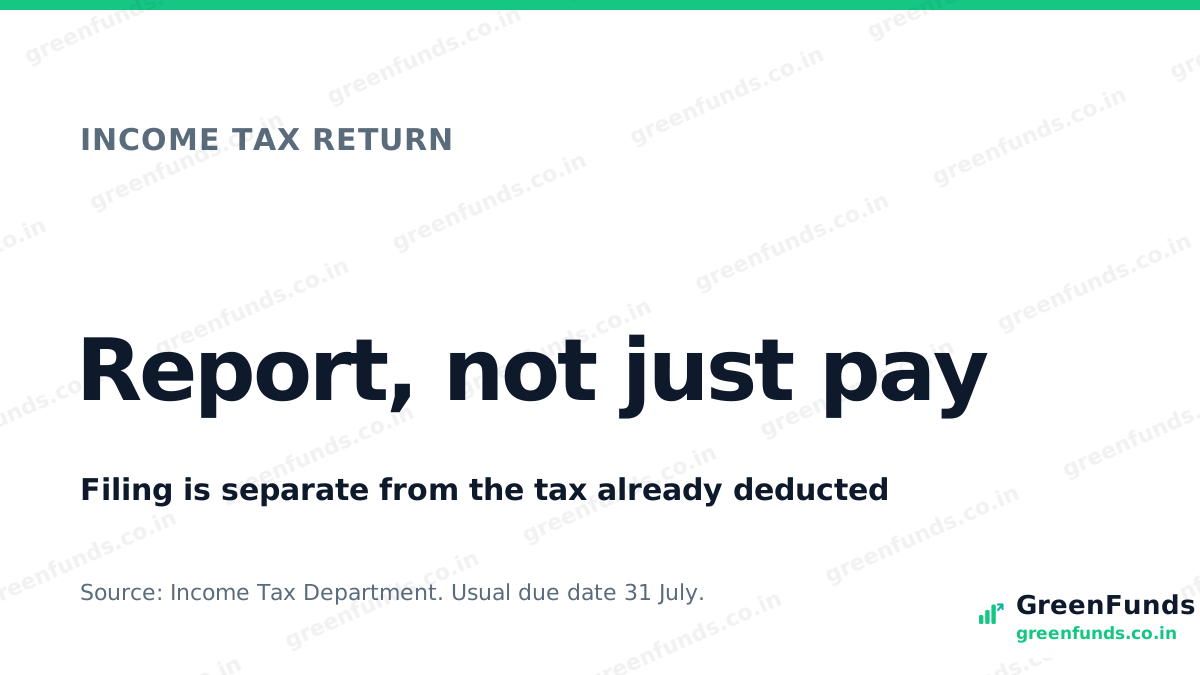
Filing your income tax return has a scary reputation, but the idea is simple. It is just you telling the government what you earned in the year, and settling up: paying any tax still due, or claiming back any that was over-deducted. It is a report, not a punishment.
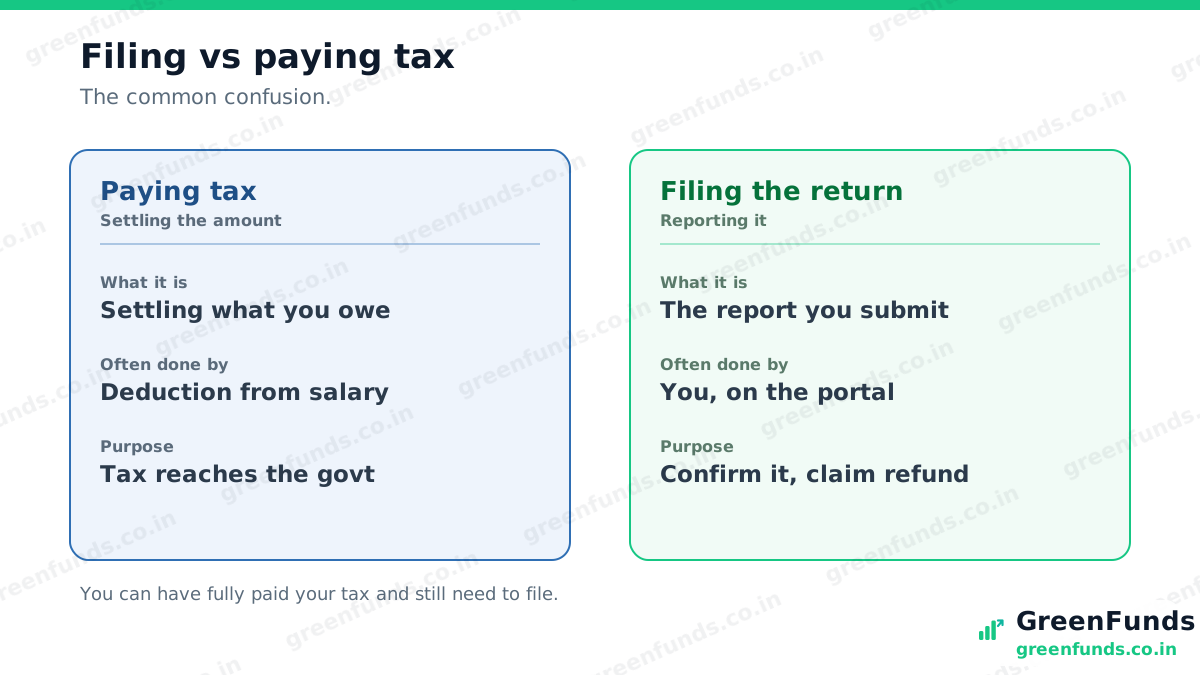
The most common confusion: filing is not paying. Many people think that because tax was already cut from their salary, they are done. Not so. Paying tax and filing the return are two separate things. Filing is the report you submit afterwards, and it is how you confirm the tax paid and claim any refund owed to you.
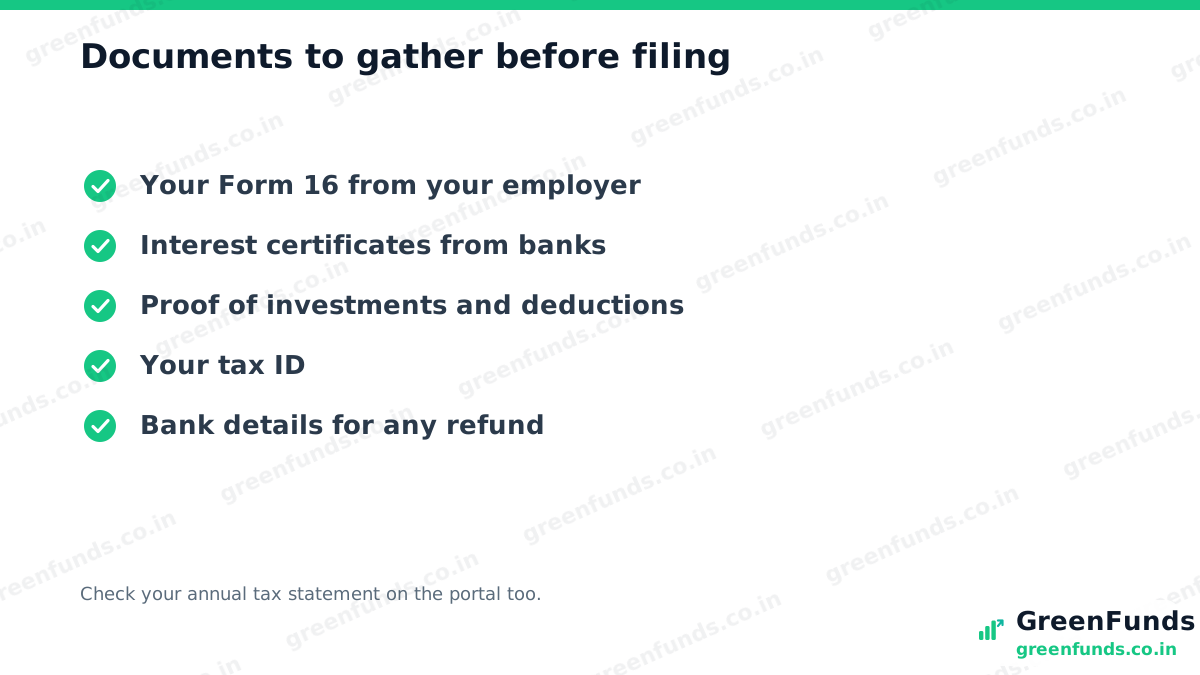
Gather these first. The process is far easier when your documents are ready before you start.
The steps, start to finish. The numbered guide below walks through it: gather documents, check your tax credit statement, pick your regime, fill the form, settle any balance or claim a refund, and e-verify.
Did you know? Submitting the return is not the last step. You must e-verify it, usually with a one-time password, for the filing to count. An unverified return is treated as never filed, so people who skip this quietly miss the deadline without realising.
The deadline. For most individuals, the return is usually due by 31 July following the financial year, though this is sometimes extended. Filing late can bring a penalty and cost you some benefits, so aim to file well before the date, and always confirm the current deadline on the income tax portal.
The takeaway. Filing is reporting your income and settling up, separate from the tax already deducted. Gather your documents, check the tax credited to you, pick the cheaper regime, fill and submit the form, and, crucially, e-verify. Do it on time and it is a short, once-a-year task.
More in this cluster: Form 16, decoded, old versus new tax regime, and HRA and common deductions.
-
Gather your documents
Collect your Form 16 from your employer, interest certificates from banks, proof of any investments or deductions, and your bank details. Having these ready makes the rest quick.
-
Check your tax credit statement
On the income tax portal, open your annual tax statement and confirm the tax already deducted on your behalf matches your records. Sort out any mismatch before filing.
-
Pick your tax regime
Decide between the old regime (with deductions) and the new regime (lower rates, few deductions), whichever leaves you paying less. See our lesson on choosing.
-
Fill the right form on the portal
Log in to the income tax portal and choose the return form that fits your income type. Much of it is pre-filled; check every figure against your documents.
-
Pay any balance, or claim your refund
If you owe more tax, pay it. If too much was deducted, the return is how you claim the refund back to your bank account.
-
Submit and e-verify
Submitting is not the last step. You must e-verify the return, usually with a one-time password, to complete filing. An unverified return is treated as not filed.
Questions people ask
Do I need to file a return if tax was already deducted from my salary?
Usually yes. Tax being deducted does not replace filing. Filing is how you report your total income, confirm the tax paid, claim any refund if too much was deducted, and stay compliant. Many salaried people must file even though their employer already deducted tax.
What documents do I need to file my income tax return?
The main ones are your Form 16 from your employer, interest certificates from banks, proof of investments or deductions you want to claim, your tax ID, and your bank account details for any refund. Checking your annual tax statement on the portal before filing helps catch mismatches.
What is the deadline to file an income tax return?
For most individuals it is usually 31 July following the financial year, though the date is sometimes extended. Filing late can mean a penalty and lost benefits, so file on time. Always confirm the current deadline on incometax.gov.in, because it can change.
Is filing the return the same as paying tax?
No. Paying tax (often through deduction from your salary) and filing the return are two different things. Filing is the report you submit; paying is settling the amount. You can have fully paid your tax through deductions and still need to file the return to report it and claim any refund.
Source: Income Tax Department process. The usual filing due date for most individuals is 31 July, but it can be extended; confirm the current date and forms on incometax.gov.in.
Flag a possible issue
Was this helpful?
Thanks for the signal.
Comments
Share your experience or a question. Be kind, stay on topic. This is reader discussion, not financial advice.
No comments yet. Be the first to share.